







In the digital age, non-profit organizations are increasingly reliant on technology for their operations. However, with this dependency comes a heightened risk of cyber threats, making cybersecurity a paramount concern. Recent trends have highlighted the importance of maintaining robust cyber hygiene to ensure the protection of sensitive data, maintain donor trust, and uphold organizational integrity.
One trending topic in the realm of tech tips for non-profits is the integration of comprehensive cybersecurity training for staff. By understanding the fundamentals of online safety, employees play a critical role in safeguarding the organization's digital assets. A case study from my experience with a large charitable organization demonstrated how regular training sessions reduced phishing incident reports by 40% within a year.
Another crucial aspect gaining traction is the adoption of multi-factor authentication (MFA). MFA adds an additional layer of security beyond the standard username-password paradigm, which is often easily compromised. Non-profits, especially those managing substantial donor databases, find MFA an efficient protective measure against unauthorized access. Major accounting firms, including Deloitte and EY, have successfully implemented MFA for their clients, showcasing real-world efficacy.
Data encryption is an essential tech tip that many organizations are now prioritizing. Encryption ensures that even if data is intercepted, it remains indecipherable and unexploitable. This technology is akin to placing your valuables in a high-security vault, inaccessible to unauthorized users. Many non-profits have begun mirroring the encryption practices of leading corporations, offering a formidable deterrent to potential breaches.
Regular software updates and system patches remain non-negotiable components of maintaining cyber hygiene. Modern threats often exploit vulnerabilities in outdated systems. Hence, ensuring that all software applications are up to date is a necessary routine. The importance of this practice was underscored in a recent ransomware attack on a well-known non-profit, which could have been thwarted with timely updates.
Additionally, non-profits are now leveraging cybersecurity insurance as a safety net against potential breaches. While it may not prevent an attack, it provides a financial cushion to manage the aftermath. The peace of mind derived from having a comprehensive cybersecurity policy cannot be overstated, and many non-profits are exploring this avenue to bolster their digital defense strategies.
To safeguard their operational longevity, non-profits must continue embracing these tech tips with vigilant dedication. Cyber hygiene is not a one-time endeavor but a continual process that adapts as threats evolve. By aligning with these best practices, non-profits not only protect themselves but also fortify the trust placed in them by donors and beneficiaries alike.
Estimated reading time: 2 minutes, 8 seconds
Protecting Your Nonprofit’s Digital Realm: The Essentials of Cyber Hygiene Featured
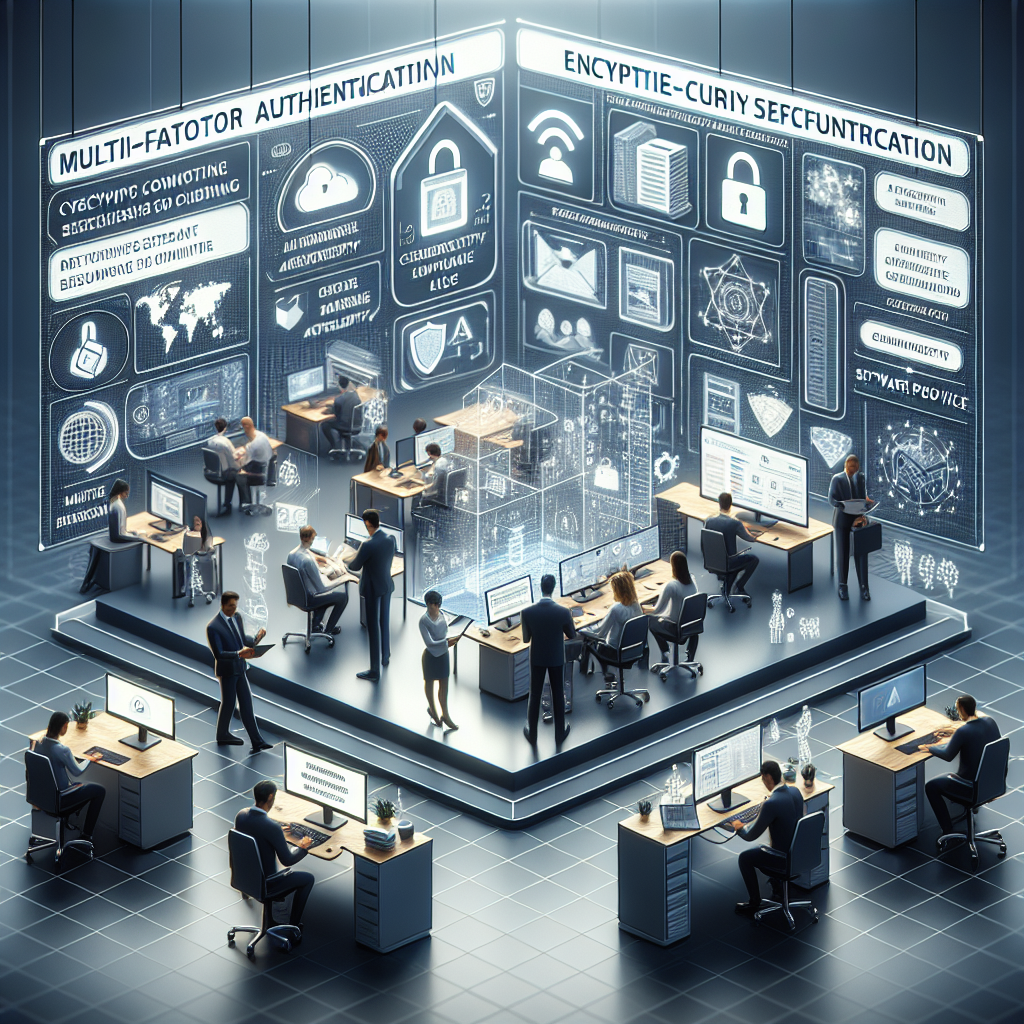 Discover essential tech tips for non-profits to enhance cybersecurity. Learn about training, multi-factor authentication, encryption, and more.
Latest from NonProfit Tech News
Most Read
-

-
Feb 16 2009
-
Written by Kurt Martin
 Add us to your Safe Sender list: We want to…
-
-

-
Jul 22 2016
-
Written by Jennifer Flaten
Nonprofit boards serve an important function, but getting all the…
-
-
-
Sep 12 2013
-
Written by Jennifer Flaten
With BoardEffect, your organization’s board of directors can access everything…
-
-
-
Jun 25 2010
-
Written by Bob Alves
Investing in technology and selecting new software is a major…
-