In recent years, nonprofit organizations have increasingly turned to digital solutions to manage operations, engage donors, and streamline their processes. This shift towards digital transformation is not just about staying current; it is essential for survival in a highly competitive environment that often demands transparency, efficiency, and strategic engagement.
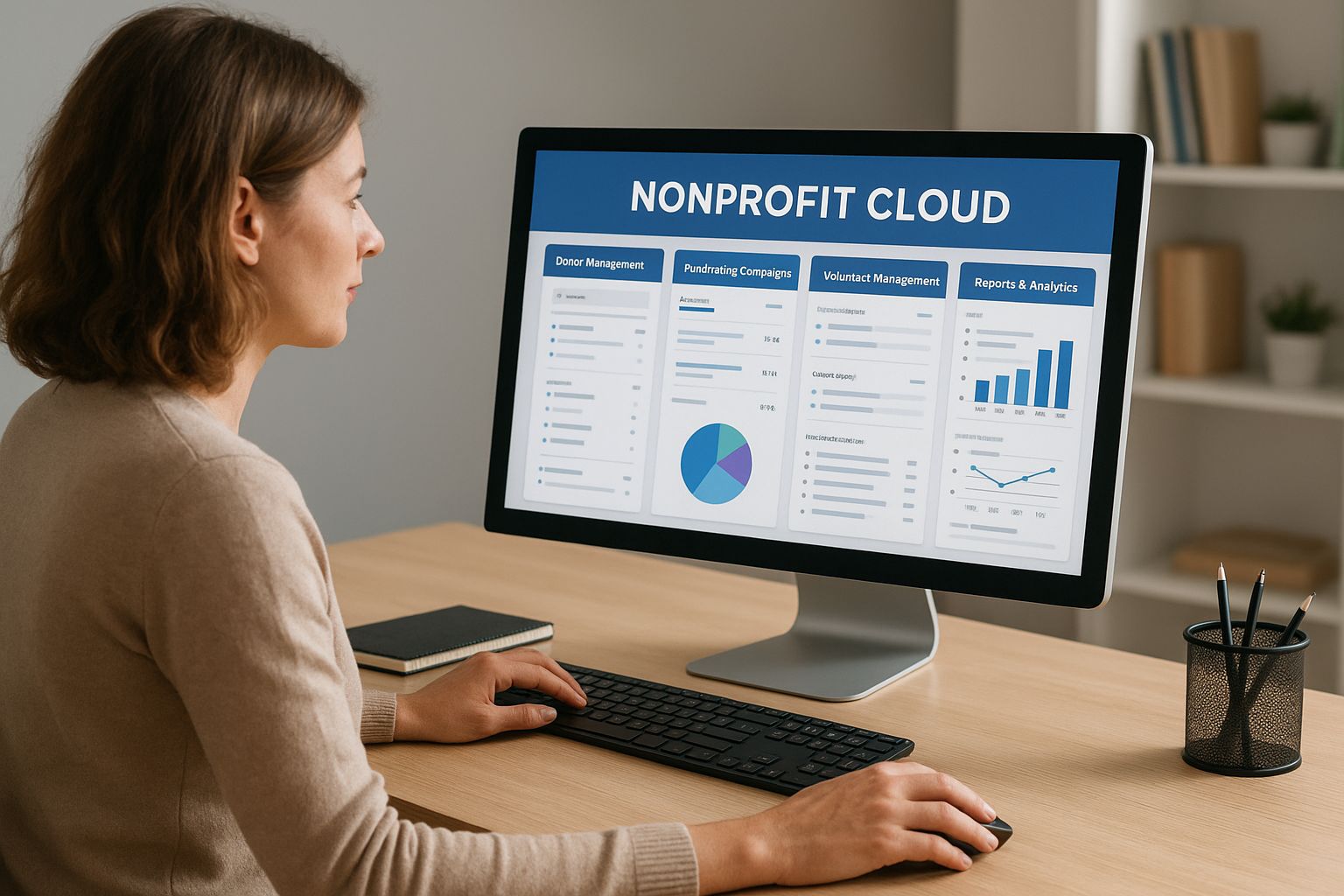
Key to this transformation is the integration of customer relationship management (CRM) software tailored for nonprofits. Tools like Salesforce Nonprofit Cloud and Bloomerang are becoming integral to organizations, providing them with the capability to track and analyze donor interactions, manage fundraising campaigns, and optimize volunteer engagement. These platforms offer intuitive interfaces, ensuring that even organizations with limited IT resources can effectively leverage technology.
Additionally, nonprofit leaders are increasingly interested in utilizing data analytics. By analyzing donor behavior and trends, nonprofits can craft personalized campaigns that resonate more with their target audiences. Platforms such as Tableau for Nonprofits enhance the ability to visualize data, thus providing insights that inform strategic decisions.
Financial management is another area where digital solutions are prying the doors open for nonprofits’ operational efficiency. Financial software applications like Intacct and QuickBooks Online Nonprofit Edition allow for real-time financial tracking and reporting, enabling organizations to maintain transparency and compliance, essential criteria for sustaining donor trust and meeting regulatory requirements.
Moreover, the advent of cloud-based collaboration tools has revolutionized how nonprofit teams collaborate. Tools such as Google Workspace and Microsoft 365 facilitate seamless coordination among team members, regardless of their geographical location. This is particularly crucial in today’s remote work environment, ensuring that mission-driven efforts remain uninterrupted and efficient.
However, as nonprofits increasingly rely on technology, they must also focus on cybersecurity. Implementing robust security measures to protect sensitive donor data and privacy rights is critical. Nonprofits are therefore encouraged to adopt proactive strategies, including regular software updates, conducting cybersecurity training for staff, and employing secure digital transactions.
To fully embrace these digital solutions, nonprofit organizations must foster a culture of continuous learning and adaptation among their staff. Ensuring that all members comprehend and can utilize the available technology effectively will drive long-term success while minimizing resistance to change. Investment in training programs to enhance digital literacy can bridge the knowledge gap and set the foundation for sustainable growth.
As technology continues to evolve, nonprofits that are agile and willing to invest in the right digital tools will find themselves better equipped to pursue their mission and impact greater positive change in their communities.