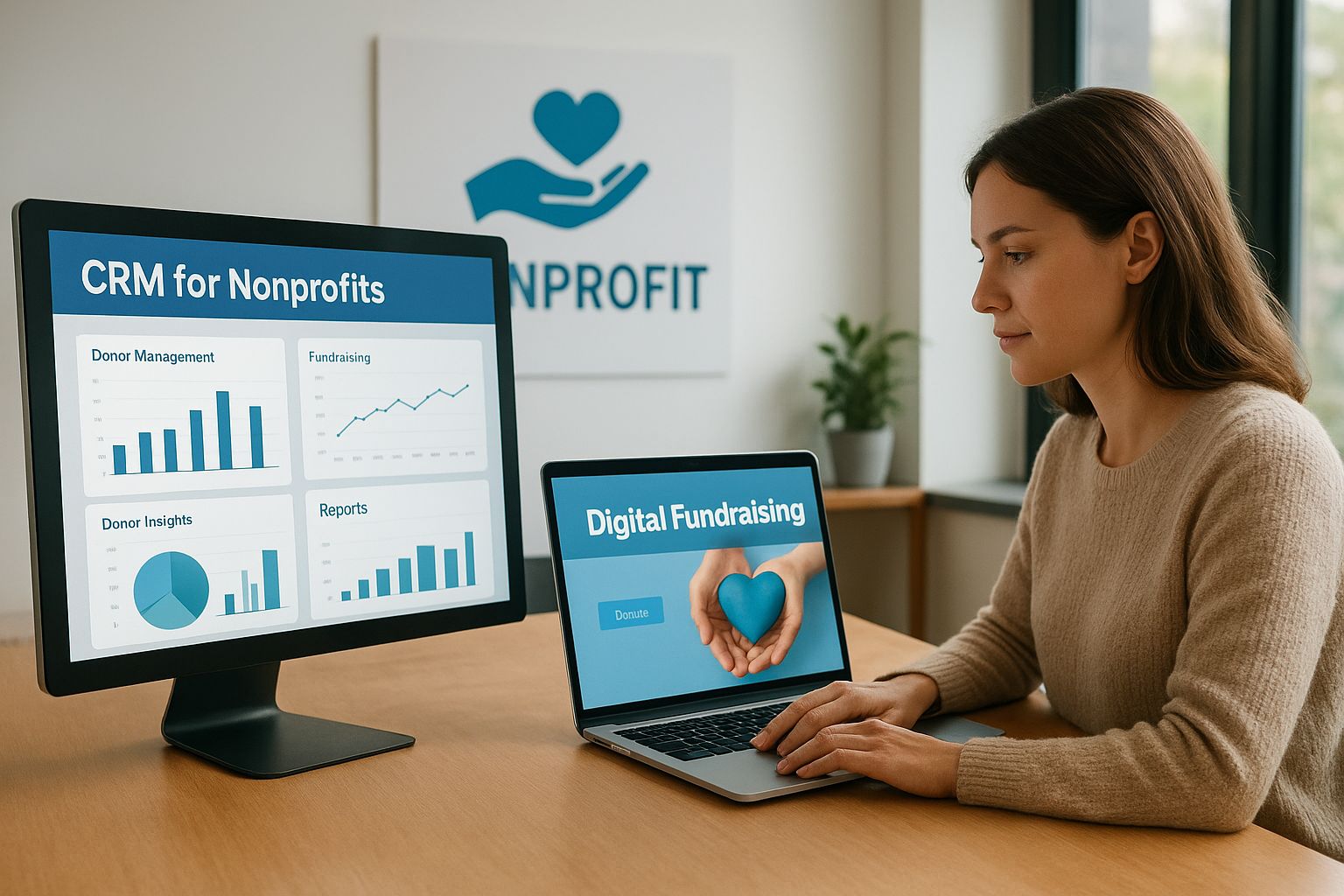
As the digital revolution continues to reshape industries globally, the nonprofit sector is increasingly embracing digital transformation to enhance its impact. This shift is not just about adopting new technology but fundamentally rethinking how nonprofits operate, engage with donors, and execute their missions.
One of the key trends is the adoption of advanced Customer Relationship Management (CRM) systems tailored specifically for nonprofits. These systems provide valuable insights into donor behavior, enabling organizations to personalize their outreach efforts and foster stronger connections. Notably, CRM platforms like Blackbaud and Salesforce’s Nonprofit Cloud are empowering organizations by automating administrative tasks and freeing up more time and resources for mission-critical activities.
Another significant development is the rise of digital fundraising platforms. As traditional funding sources become increasingly competitive and scarce, nonprofits are turning to digital platforms such as GoFundMe Charity and Facebook Fundraisers. These platforms are not only user-friendly but also allow organizations to reach a broader audience, tapping into the global network of potential donors.
Moreover, data analytics is becoming a crucial tool for decision-making within the nonprofit space. By leveraging data, organizations can better understand community needs, measure the effectiveness of their programs, and demonstrate impact to stakeholders. For instance, organizations like DonorPerfect and NeonCRM provide analytics tools that allow nonprofits to optimize their strategies based on real-time data.
Cloud computing is also playing a pivotal role in the nonprofit sector’s transformation. It facilitates collaboration across geographically dispersed teams, ensures data security, and provides scalable infrastructure to support various operations. Microsoft and Google offer cloud solutions tailored for nonprofits, often with significant discounts or grants, making these technologies more accessible.
Despite these advancements, the nonprofit sector faces challenges, notably the digital divide. Smaller organizations often struggle with limited budgets and technological expertise. However, collaborative efforts and partnerships with tech companies are emerging as effective solutions. Platforms for training and capacity building, such as TechSoup, are enabling smaller nonprofits to upskill their workforce and effectively leverage technology.
As nonprofits continue to integrate digital tools into their operations, they must remain agile and responsive to the rapidly changing technological landscape. By adopting a strategic approach to digital transformation, nonprofits can enhance their operational efficiency, improve donor engagement, and increase their social impact.